The Environmental Stewardship Program (ESP) was developed to encourage practices that benefit both the environment and the communities served by cabinet manufacturers.
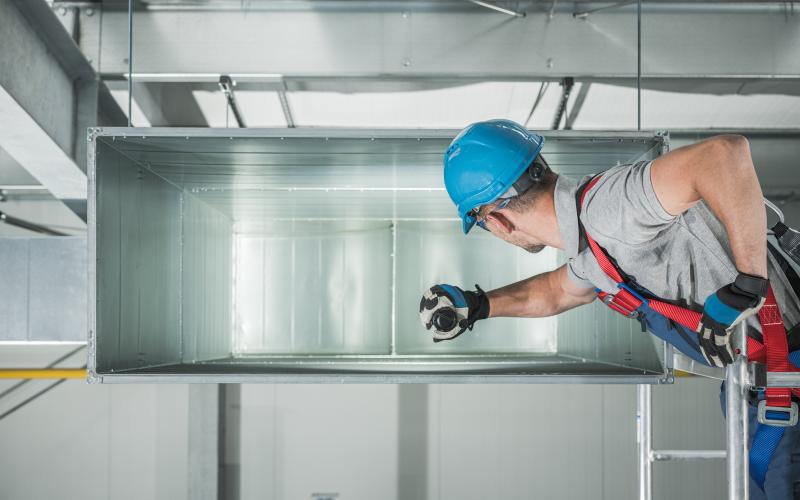
Manufacturer has a documented energy conservation program
Manufacturer has met or exceeded source reduction and waste management goals in section 8 of the Toxic Release Inventory Form R or has listed source reduction activities in section 8.10.1 of Form R
Manufacturer has developed environmental product declarations
Manufacturer source at least 10% of the electricity used from a renewable source
Manufacturer uses the KCMA Carbon Calculator and reports net CO2 emissions
Image
Resource Sustainability
80% of particleboard & medium density fiberboard and plywood used in cabinets are either CPA ECC or Benchmark CWSS certified
Manufacturers earn points if they have kitchen cabinets that are also Chain of Custody (COC) certified through a recognized sustainable forestry program
Hardwood, softwood and plywood purchased are Chain-of-Custody certified through a recognized sustainable forestry program
Hardwood and softwood lumber are certified through a recognized sustainable forestry program
Manufacturers utilize an annual, written training plan to educate their hardwood suppliers of their preference for purchasing certified lumber
Manufacturer has a documented wood trade compliance or due diligence policy
Image
Waste Minimization
Manufacturer has a comprehensive recycling program for processing waste
Manufacturer has a program for tracking and reducing process waste products with documented goals and reports
Manufacturer uses process by-products to generate alternative energy
Manufacturer has a documented energy conservation program
Manufacturer has a program for reclaiming any cabinets and either sending them for recycle, reuse, or re-purpose
Image
ESP Certification Participant Guidebook
The ESP Guidebook is designed to help first time participants obtain ESP certification. Based on the information provided in the ESP Guidance Document and ESP 01-24 standard, the Guidebook provides example documents needed to earn the minimum required 70 points for certification and comply with the two mandatory requirements.
The voluntary certification program provides a tangible way for cabinet manufacturers to demonstrate their commitment to environmental responsibility and sustainability.
Some major companies aren’t waiting until the passage of the SEC's proposed climate-risk disclosure rule to add the right finance talent for ESG reporting.